This is a short guide for anyone who is about to work with me, or is considering it. It is a way to understand what it is like to work with me — how I think, how I organize, and the habits and models I lean on. Read it as a starting point, not a rulebook. The best way to know how I work is still to work with me; this just shortens the runway.
Meetings
Typically, I ask for weekly 30-minute meetings with anyone who works directly for me. These meetings are about you — we can discuss growth, development, goals, and what's working or not working. Feel free to schedule additional meetings as needed.
I tend to respond quickly to emails to keep my inbox clear. Please don't feel pressured to respond immediately; it's just my way of staying organized.
Product Management Fundamentals
My go-to resources are Creative Selection and Designing Games for product management and team dynamics. I also follow SVPG and Flywheel for product-related insights:
Not everything in the world of products (whether B2B or B2C) fits cleanly into enterprise product management, but there are certainly best practices that can be taken from the world of product into the world of enterprise information technology.
Information Flow
- Feedly (aggregated news on ML, M365, Digital Experience, Mobile Devices, VDI, etc.)
- X — if you don't use this as a source of industry or technical data, I'd advise it. Subscribing to various company sites, down reports, or similar can help keep on top of what is going on without having to hunt for specifics.
KANBAN
I use KANBAN to organize my work. You might see work organized into columns like Backlog, In Progress, Build, and Validated.
North Star
I take a North Star approach to product vision, which helps prioritize what we do and don't focus on. It helps rank our criteria for decision-making, such as Usability vs. Speed or Privacy vs. Usability.
Problem Solving
I use the Popper model:
PS1 → TT1 → EE1 → PS2 → Forever -->
Problem Statement → Tentative Theories → Error Elimination → New Problem Statement
This iterative process helps refine our theories until we find the best possible solution.
Roadmaps
I create internal and external roadmaps. External roadmaps are high-level for customers and executives, while internal roadmaps detail features and guide our sprints.
Development and Business
For development, I have a bias for action, preferring quick decisions to maintain momentum. "If everything is under control, you're not going fast enough."
For business decisions, I prefer to defer commitment to gather more information and avoid unnecessary actions. This balance helps manage complex and poorly understood issues effectively.
Favorite Charts
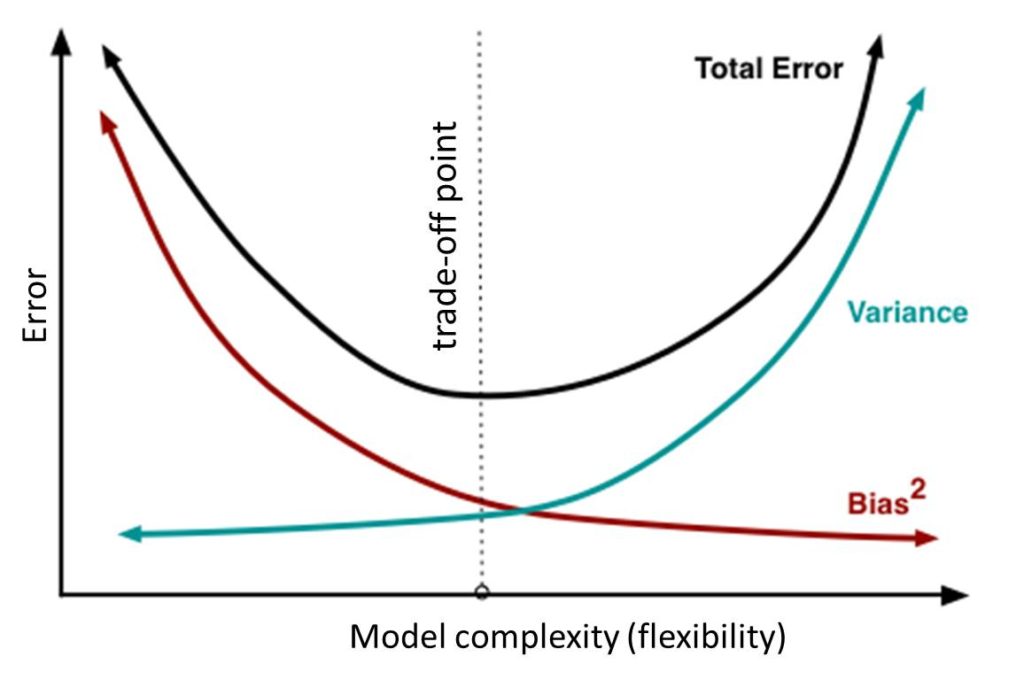
Two diagrams I come back to often. The first shapes how I think about getting anything to happen — product adoption, team habits, or my own focus. The second shapes how I think about decisions, models, and when "more" stops helping.